Water Extraction
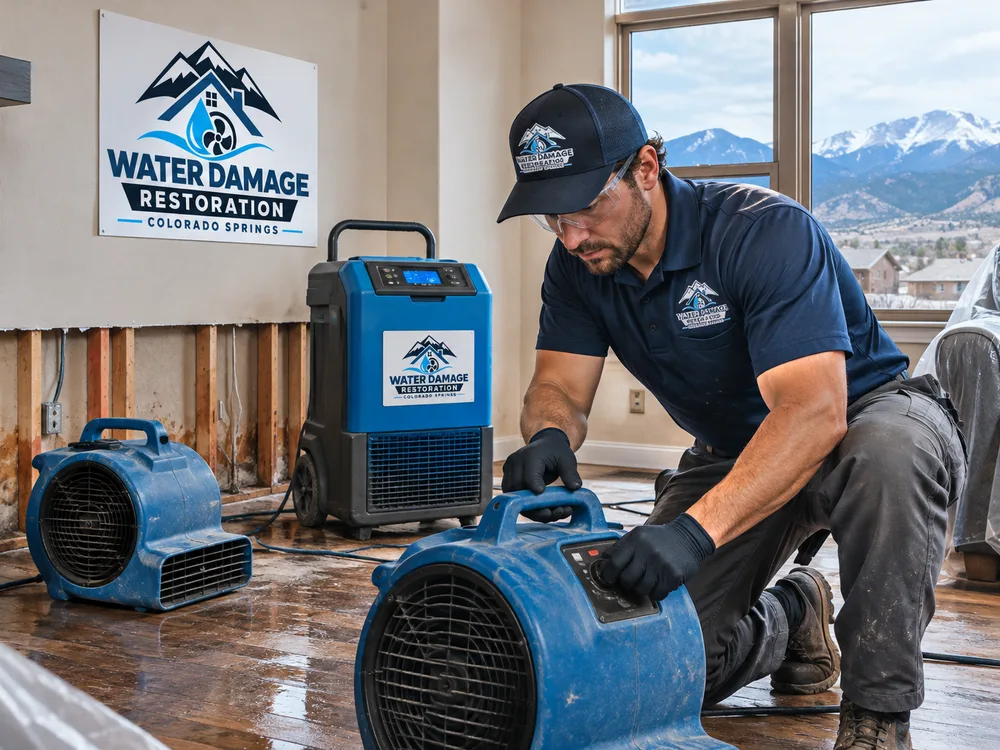
Standing water is removed with extraction equipment before detailed drying begins. The contractor also checks adjoining rooms and lower levels because water often travels beyond the visible wet area.
Serving Colorado Springs, Colorado & surrounding areas
Calls answered around the clock
Restoration Service · Colorado Springs
One call connects you directly with a local restoration contractor who handles water removal, structural drying, cleanup, and property recovery.
✓One direct call
✓Local restoration contractor
✓You decide what happens next
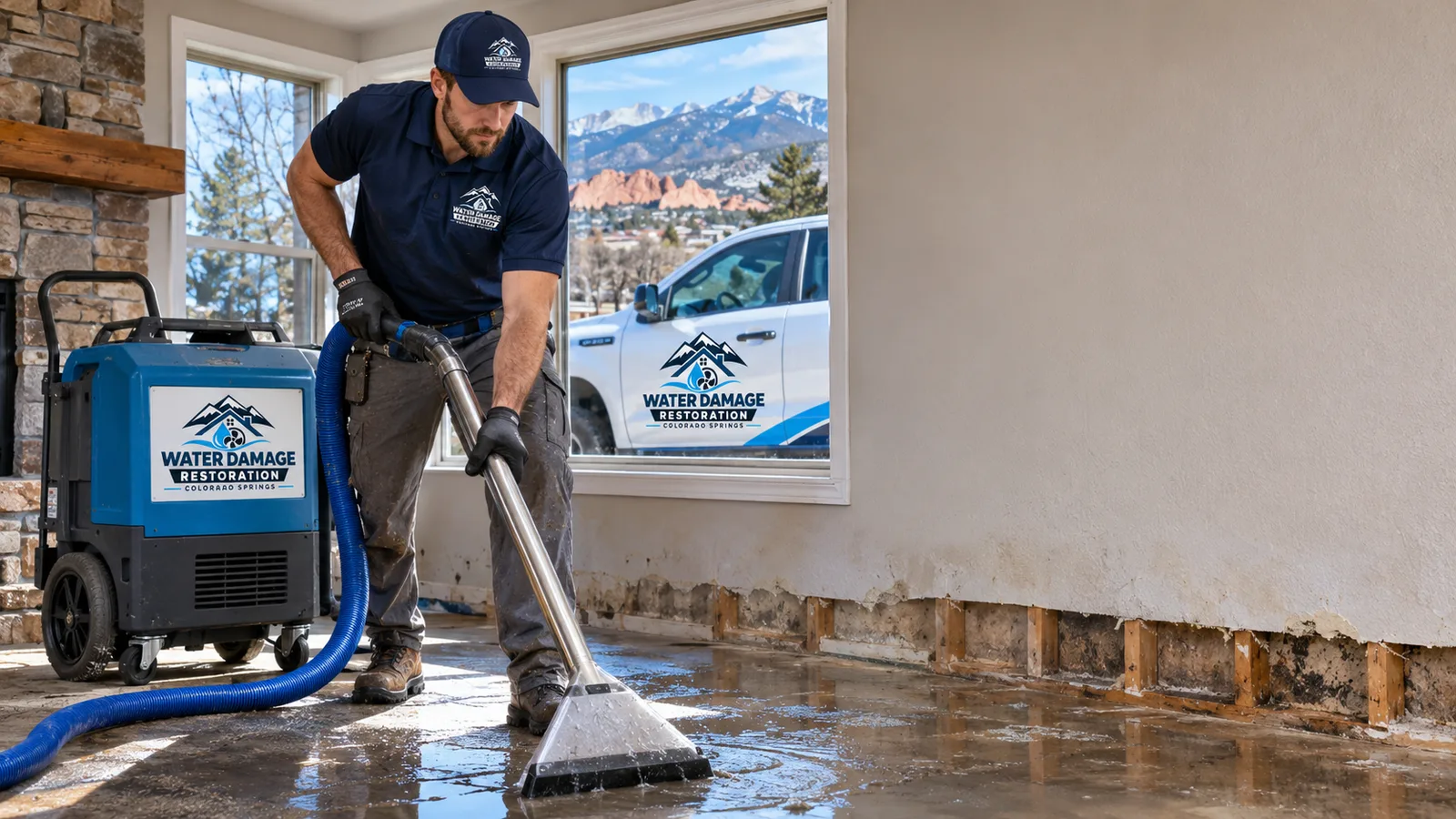
Restoration companies in Colorado Springs handle the work required after a supply-line failure, appliance leak, roof intrusion, sewage release, or groundwater entry leaves a building wet. The scope may include stopping access to the affected area, extracting standing water, removing materials that cannot be dried, setting drying equipment, cleaning surfaces, and preparing the property for repairs.
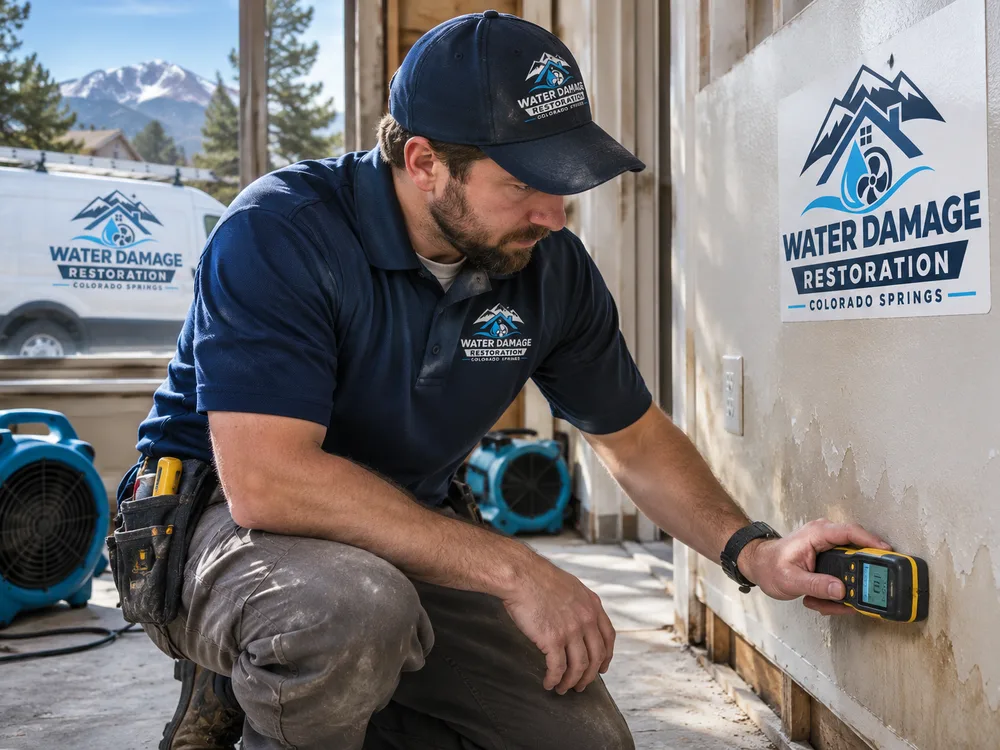
Water can move under flooring, behind baseboards, through wall cavities, and between levels. A contractor may use moisture meters, thermal imaging, and targeted inspection openings to trace that movement. Material type matters. Painted drywall, insulation, carpet pad, hardwood, engineered flooring, and structural lumber absorb and release moisture differently.
Colorado Springs brings practical local considerations. Winter freezes can contribute to split plumbing, while hail and wind can open roofing or exterior assemblies to water. In older central neighborhoods such as Old North End, contractors may encounter plaster walls and layered finish materials. Broadmoor properties may include larger footprints and finished lower levels, while newer construction in Briargate often uses modern drywall and engineered flooring assemblies. Each condition changes how affected areas are accessed and dried.
We connect callers with water damage restoration companies serving Colorado Springs, CO so homeowners and property managers can discuss the damage directly with a contractor. The contractor evaluates the property, explains the proposed scope, provides the quote, and answers questions about the work. The property owner decides whether to proceed.
Standing water is removed with extraction equipment before detailed drying begins. The contractor also checks adjoining rooms and lower levels because water often travels beyond the visible wet area.
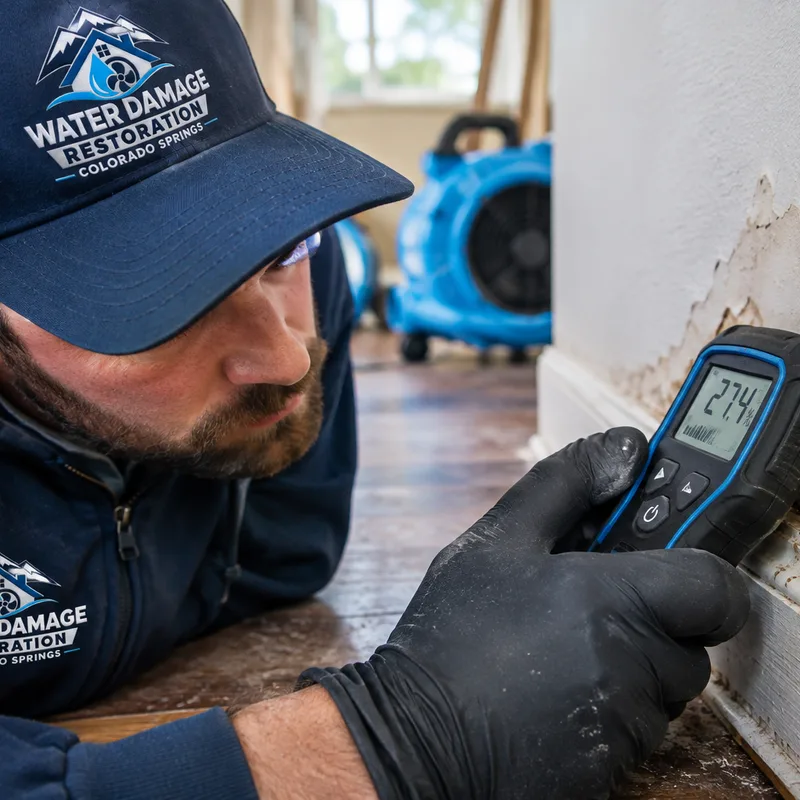
Readings from affected and unaffected materials establish the boundaries of the loss. Repeat measurements help the contractor track whether drywall, framing, subfloors, and other assemblies are drying.
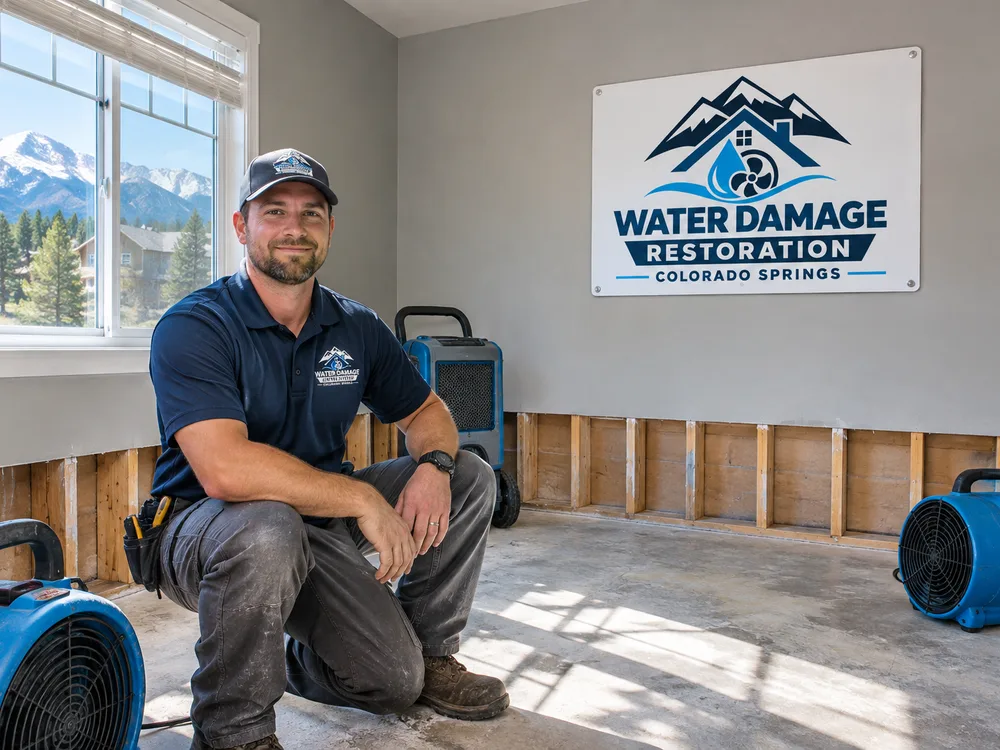
Air movers and dehumidifiers are positioned according to the room layout, wet materials, and moisture load. Closed cavities may require additional access or specialized drying methods.
Materials that cannot be dried or safely retained may be removed. The contractor can explain which surfaces are candidates for cleaning and which materials need replacement.
Once drying goals are reached, the remaining work may involve replacing insulation, drywall, trim, flooring, cabinets, or other finishes affected by the loss.
One call connects you with a contractor who serves Colorado Springs and the surrounding area. You discuss the property and proposed work with that contractor directly.
Step 1 of 5
You are connected directly with a local restoration contractor who serves that area. There is no form or email wait.
Step 2 of 5
The contractor may ask about the water source, affected rooms, visible standing water, building materials, utilities, and whether the source has been stopped.
Step 3 of 5
The contractor determines where water traveled, identifies affected materials, checks moisture levels, and considers contamination risks before proposing the work.
Step 4 of 5
Water is extracted, unsalvageable materials may be removed, and drying equipment is placed. Equipment may be adjusted as readings change.
Step 5 of 5
Final moisture readings help confirm when the drying phase is complete. The contractor then explains cleaning, repair, or reconstruction items that remain, and the property owner chooses how to proceed.
Skip the search through multiple restoration companies. One call connects you directly with a local contractor who can discuss the affected property and the next practical step.
The decision depends on the water category, material condition, exposure time, and whether the assembly can be accessed, cleaned, and dried. Porous materials affected by contaminated water are treated differently from materials wetted by a clean supply-line release. Ask the contractor to identify each proposed removal area and explain why drying in place is or is not suitable.
The contractor should consider adjoining rooms, wall cavities, flooring layers, subfloors, cabinets, insulation, and any level beneath the source. Water from an upstairs bathroom, for example, may affect the floor assembly, the ceiling beneath it, and nearby wall cavities even when surface staining is limited.
Structural drying is monitored with moisture readings taken at documented locations over the course of the work. The contractor compares affected materials with an appropriate dry standard or unaffected material and adjusts air movement, dehumidification, heat, or access when readings are not changing as expected.
Reconstruction may be part of the proposed scope or may be handled separately after mitigation and drying. Ask whether the contractor will replace removed drywall, insulation, trim, flooring, cabinets, and paint, and request a clear division between mitigation work and repair work before deciding.
Ask for a written scope that separates extraction, material removal, equipment, cleaning, drying monitoring, disposal, and reconstruction. The contractor provides the quote directly. Confirm how changes will be documented if concealed damage is discovered after flooring, cabinets, or wall materials are opened.
Freeze-related plumbing failures, hail or wind damage to exterior assemblies, and water entering finished lower levels can all change the restoration scope. Older plaster assemblies may require different access and repair planning than modern drywall, while engineered flooring and layered subfloors require moisture checks at more than the visible surface.
One call connects you with a contractor who serves your area and handles water extraction, structural drying, cleanup, and property recovery. You speak with the contractor, receive the quote from the contractor, and decide what happens next.