The Moisture Source
Cleaning mold without addressing the water source leaves the underlying condition unresolved. The contractor checks for leaks, seepage, condensation, and damp building materials.
Serving Colorado Springs, Colorado & surrounding areas
Calls answered around the clock
Mold Remediation · Colorado Springs
One call connects you directly with a local mold remediation contractor who serves your area.
✓One direct call
✓Local mold remediation contractor
✓You decide what happens next
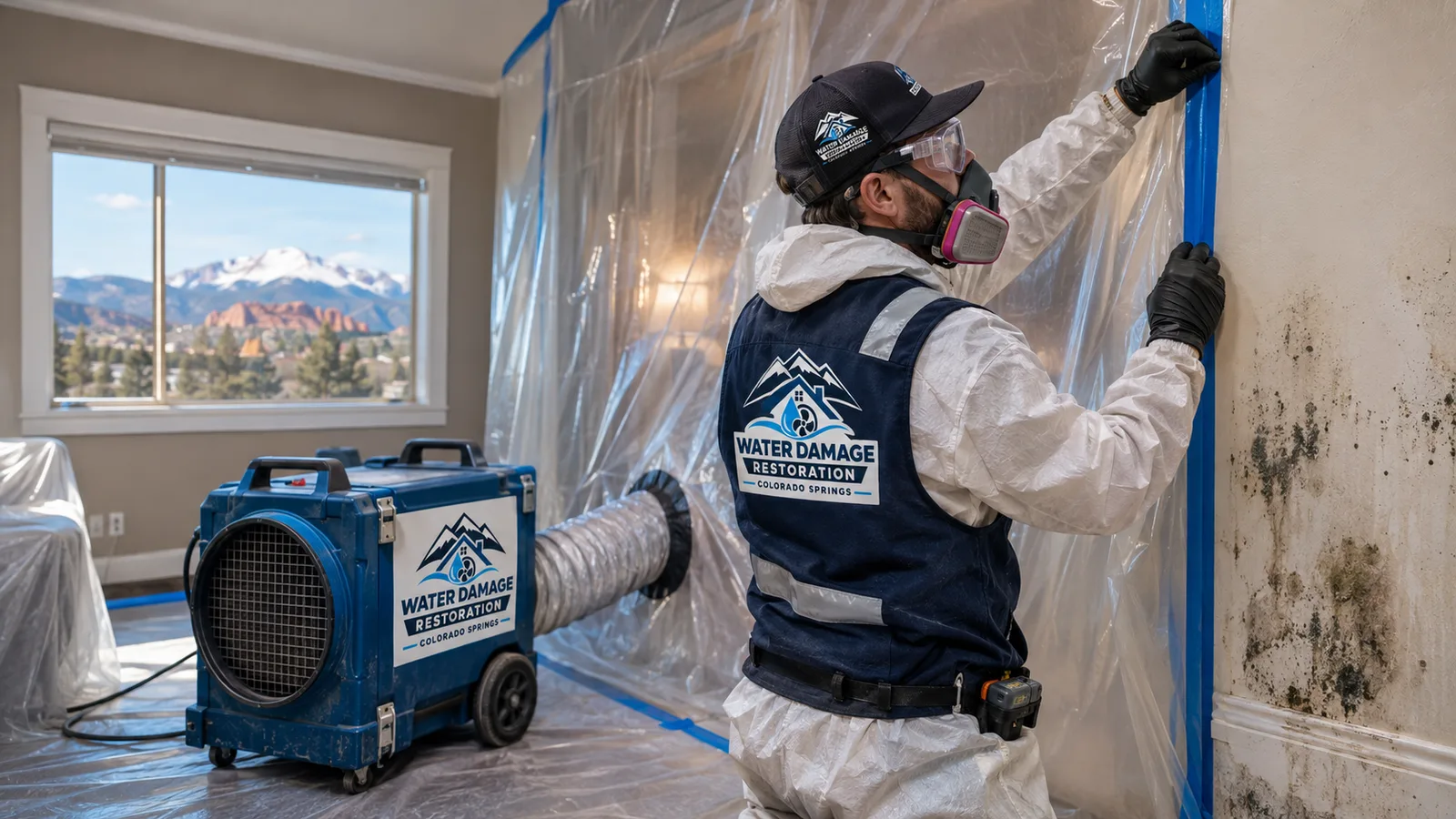
Mold remediation in Colorado Springs should address both visible contamination and the moisture condition that allowed it to grow. Mold may follow a plumbing leak, roof leak, appliance failure, groundwater intrusion, condensation, or elevated indoor humidity. Surface staining can be only part of the problem. Damp drywall, insulation, carpet backing, subflooring, and enclosed wall cavities may also require evaluation.
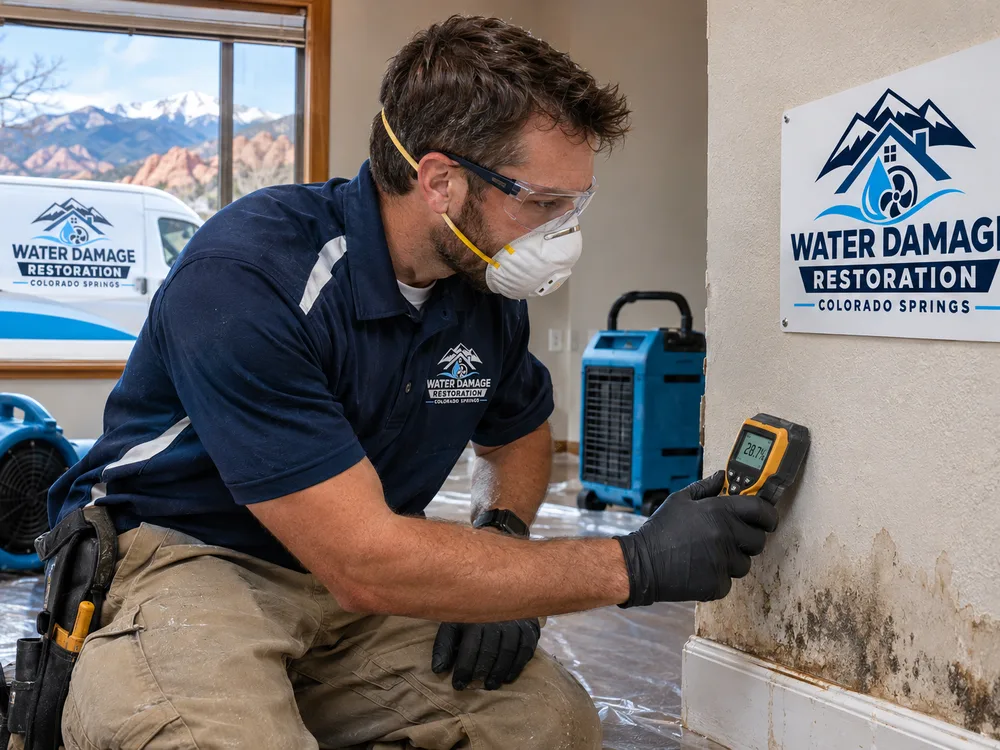
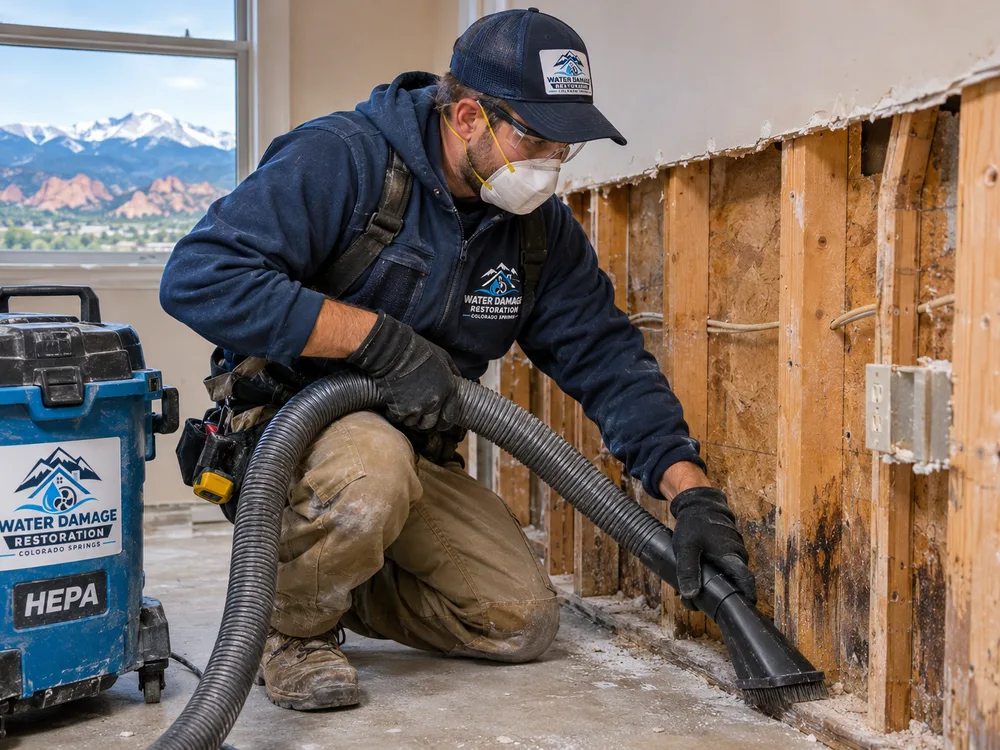
A contractor typically begins by identifying affected materials and checking for an active moisture source. Moisture meters, thermal imaging, and visual inspection can help define the work area. Depending on the findings, the job may include containment, negative air pressure, HEPA air filtration, removal of materials that cannot be cleaned, detailed surface cleaning, and controlled drying. Remediation is complete only after the affected area is cleaned and the moisture problem is under control.
Cold winters, summer thunderstorms, hail, and sudden temperature changes can expose different moisture problems in Colorado Springs homes. Finished basements may conceal seepage behind drywall, while attic condensation can affect roof sheathing and insulation. In older central neighborhoods such as the Old North End, contractors may encounter layered wall assemblies and older finish materials that require careful planning. Broadmoor properties may have complex rooflines or lower-level living areas, while homes near Rockrimmon can have foundations and drainage conditions shaped by sloped lots.
We connect callers with contractors who handle mold remediation, including local water damage restoration companies in Colorado Springs when moisture-related damage and mold overlap. You speak with the contractor directly about the property, the affected rooms, and possible next steps. The contractor determines the scope, provides the quote, and performs the work if you choose to proceed.
Cleaning mold without addressing the water source leaves the underlying condition unresolved. The contractor checks for leaks, seepage, condensation, and damp building materials.
Visible growth does not always show the full affected area. Inspection may include adjoining rooms, wall cavities, flooring layers, attic spaces, or basement assemblies.
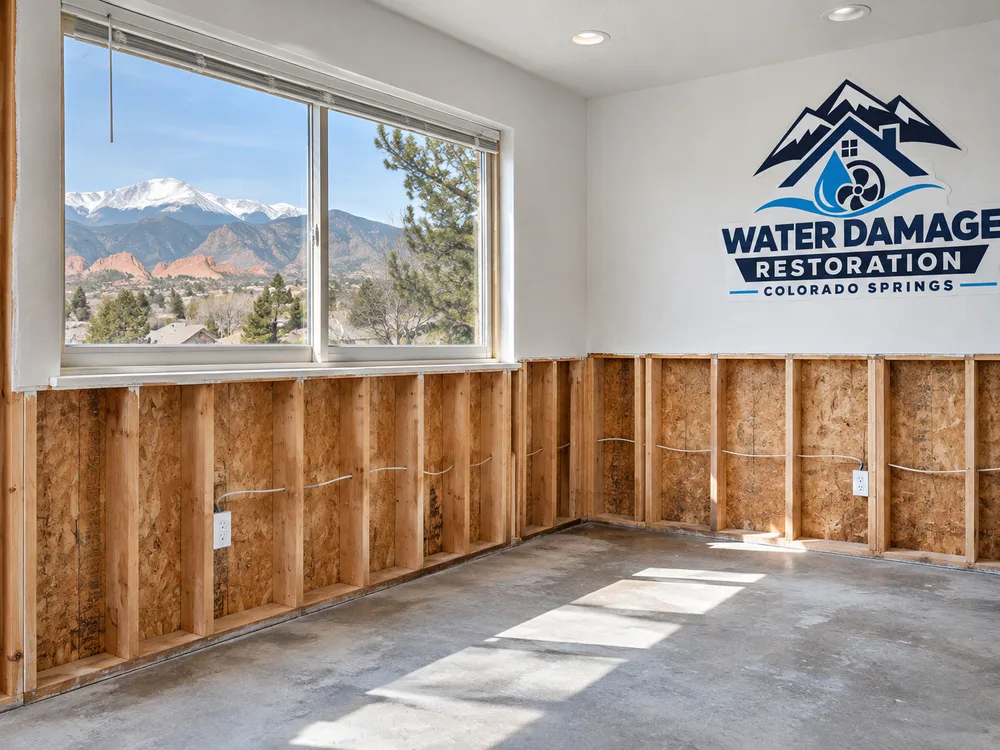
Nonporous surfaces may be cleaned in place. Porous materials such as drywall, insulation, ceiling tile, and carpet padding may need removal when contamination cannot be cleaned adequately.
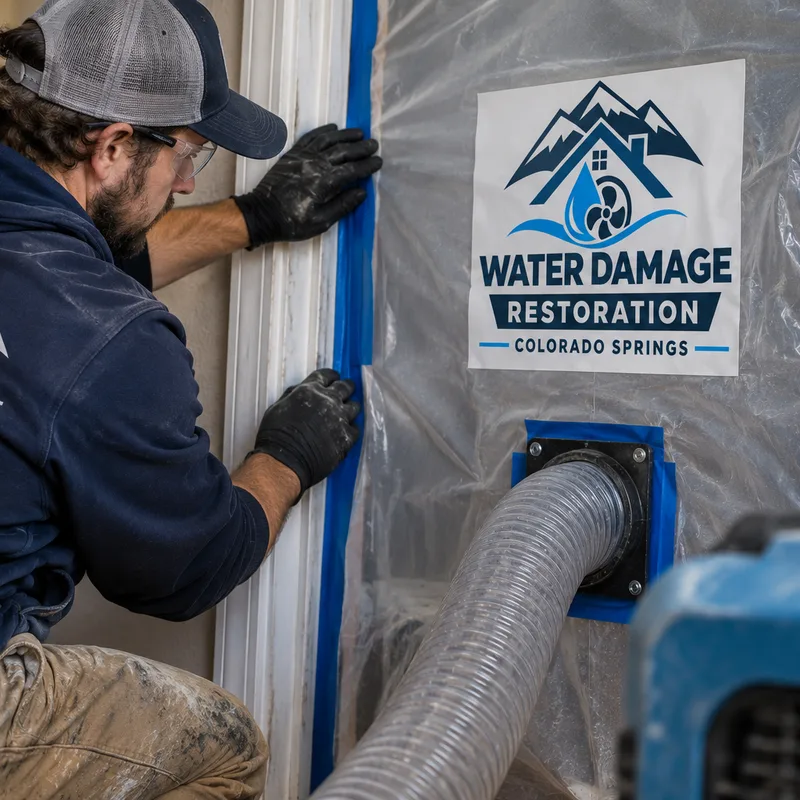
Plastic barriers and negative air pressure can keep particles from moving into unaffected rooms while disturbed materials are removed.
Moisture readings help the contractor decide whether framing, subflooring, or other retained materials need additional drying before reconstruction begins.
The contractor considers entrances, HVAC operation, occupied rooms, pets, and the safest route for removing bagged debris.
Step 1 of 6
Call, enter your ZIP code, and you are connected directly with a local mold remediation contractor who serves that area.
Step 2 of 6
The contractor evaluates visible conditions, moisture sources, affected materials, and access. Testing may be discussed when the source is uncertain, contamination is not visible, or documentation is needed.
Step 3 of 6
The contractor explains what should be contained, cleaned, removed, or dried and provides the quote directly. You ask questions and decide whether to proceed.
Step 4 of 6
The work area is isolated as needed. Unsalvageable porous materials are removed using controlled methods, while retained surfaces are cleaned with methods appropriate to the material.
Step 5 of 6
HEPA vacuuming, damp wiping, air filtration, and drying may be used to address remaining dust, settled particles, and moisture.
Step 6 of 6
The contractor reviews the treated area and discusses moisture readings, removed materials, and any repair work still needed. Post-remediation verification may be performed by an independent inspector when appropriate.
Stop working through lists of contractors. One call connects you directly with a local contractor who handles mold remediation in Colorado Springs and the surrounding area.
No, removal depends on the material, contamination, and moisture exposure. Hard, nonporous surfaces can often be cleaned, while mold-affected drywall, insulation, carpet padding, and other porous materials may need removal. The contractor should explain which materials can remain and why.
Testing is not required for every project when visible mold and the moisture source are clear. It can be useful when growth is suspected but not visible, occupants need documentation, or the work requires a defined verification plan. Ask whether the person conducting any clearance testing is independent from the remediation contractor.
That depends on the affected area, containment plan, access route, HVAC setup, and household circumstances. A small isolated work zone may be managed differently from contamination affecting multiple occupied rooms. The contractor should explain which spaces must remain closed and whether temporary relocation should be considered.
A musty odor often improves when contaminated materials are removed, retained surfaces are cleaned, and damp materials are dried. Odor treatments alone do not correct hidden moisture or contaminated porous material. Ask the contractor how the proposed scope addresses the odor source rather than masking it.
The work plan should identify the affected area, moisture source, containment method, materials to be removed, surfaces to be cleaned, drying approach, and completion criteria. It should also state who handles reconstruction and whether independent post-remediation verification is recommended.
The contractor may need to expand access and containment to evaluate the cavity safely. Wet insulation or contaminated drywall may be removed, while framing is assessed for cleaning and drying. Plumbing, exterior drainage, roof, or condensation problems should be corrected so the cavity does not become damp again.
Compare the defined work area, containment details, removal decisions, cleaning methods, drying plan, disposal responsibilities, and completion criteria. Ask each contractor to separate remediation from rebuilding so you understand what is included. The contractor provides the quote, and you decide whether the proposed scope fits the property.
One call connects you with a contractor who serves Colorado Springs and the surrounding area. Discuss the property directly with the contractor, receive the quote from them, and decide what happens next.