Water extraction
Submersible pumps or truck-mounted and portable extraction equipment may be used to remove standing water. The method depends on water depth, access, debris, and contamination.
Serving Colorado Springs, Colorado & surrounding areas
Calls answered around the clock
Deep Water Service · Colorado Springs
One call connects you directly with a local contractor who handles deep-water extraction, structural drying, and property recovery.
✓One direct call
✓Local deep-water contractor
✓You decide what happens next
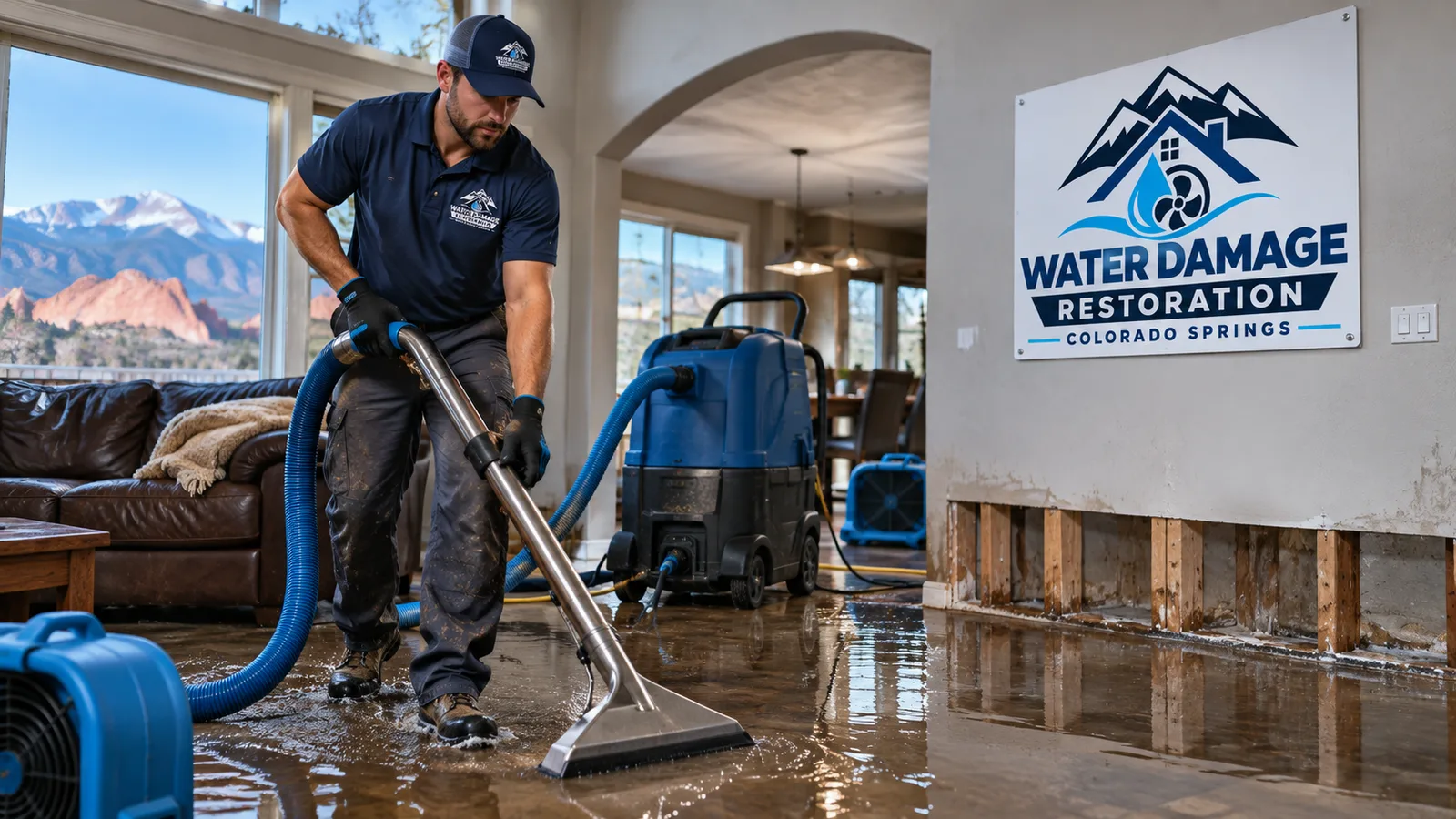
Deep water emergency services help Colorado Springs property owners respond to severe indoor flooding, standing water, and moisture that has spread into floors, walls, or concealed cavities. A contractor may need to extract pooled water, remove materials that cannot be recovered, dry the structure, and monitor moisture until affected assemblies reach suitable drying goals.
Common causes include failed supply lines, overflowing fixtures, appliance leaks, sump or drainage problems, roof openings, and runoff entering lower levels. Colorado Springs can receive intense thunderstorms and hail during the warmer months, while freezing conditions can contribute to damaged plumbing. The source changes the response. A clean supply-line break is handled differently from groundwater or sewage because contamination affects worker protection, material removal, and cleaning procedures.
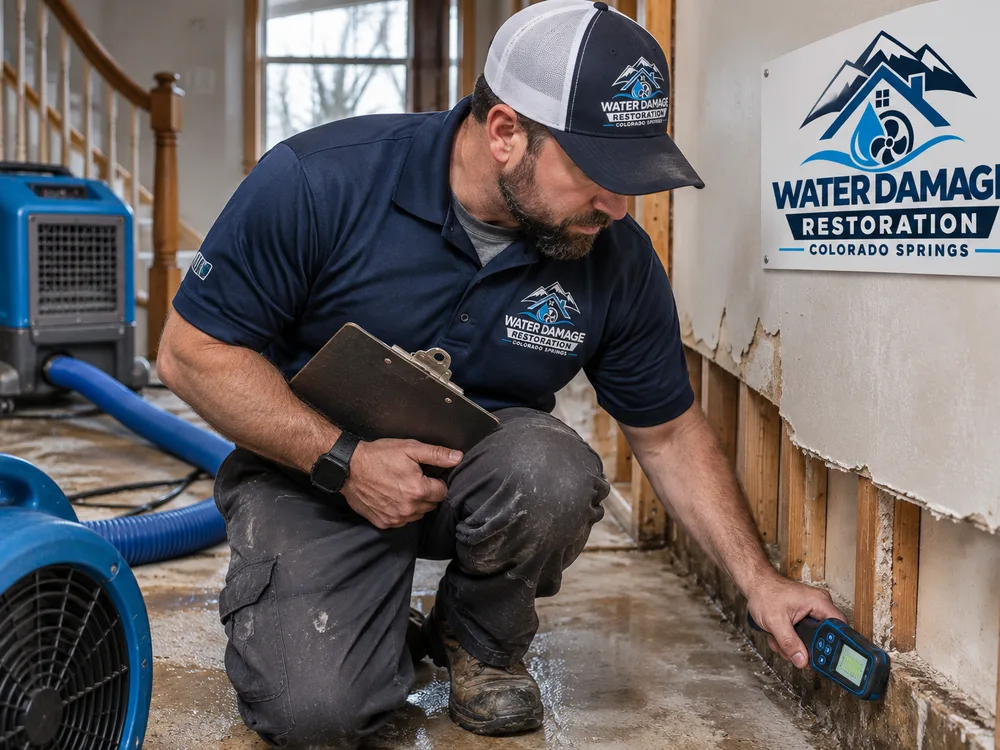
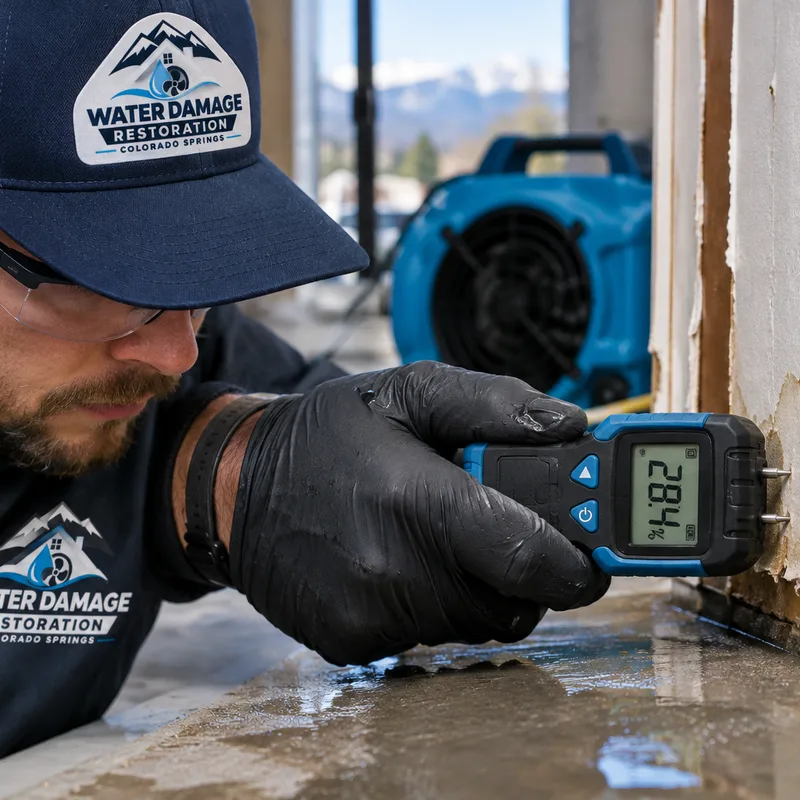
Deep water can move beneath floating floors, soak carpet pad, wick into drywall, and collect inside wall cavities. Surfaces may appear dry while subflooring or framing remains wet. Contractors use moisture meters, thermal imaging as a screening tool, and targeted inspection openings to define the affected area.
If the incident is more limited, water damage restoration may involve a smaller extraction and drying plan rather than extensive removal.
One call connects you with a local contractor who serves Colorado Springs and the surrounding area. You speak with the contractor directly about access, observed conditions, the suspected source, and the next practical step.
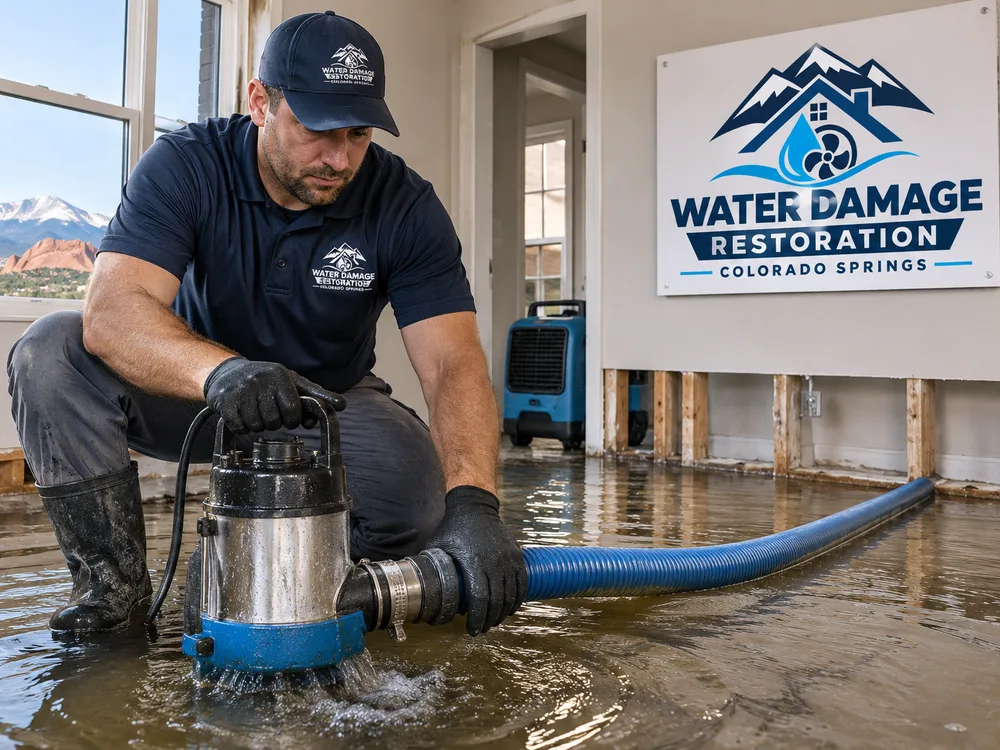
Submersible pumps or truck-mounted and portable extraction equipment may be used to remove standing water. The method depends on water depth, access, debris, and contamination.
The contractor identifies the likely water source and evaluates whether porous materials can be cleaned or should be removed. Sewage and groundwater require different controls than a clean plumbing release.
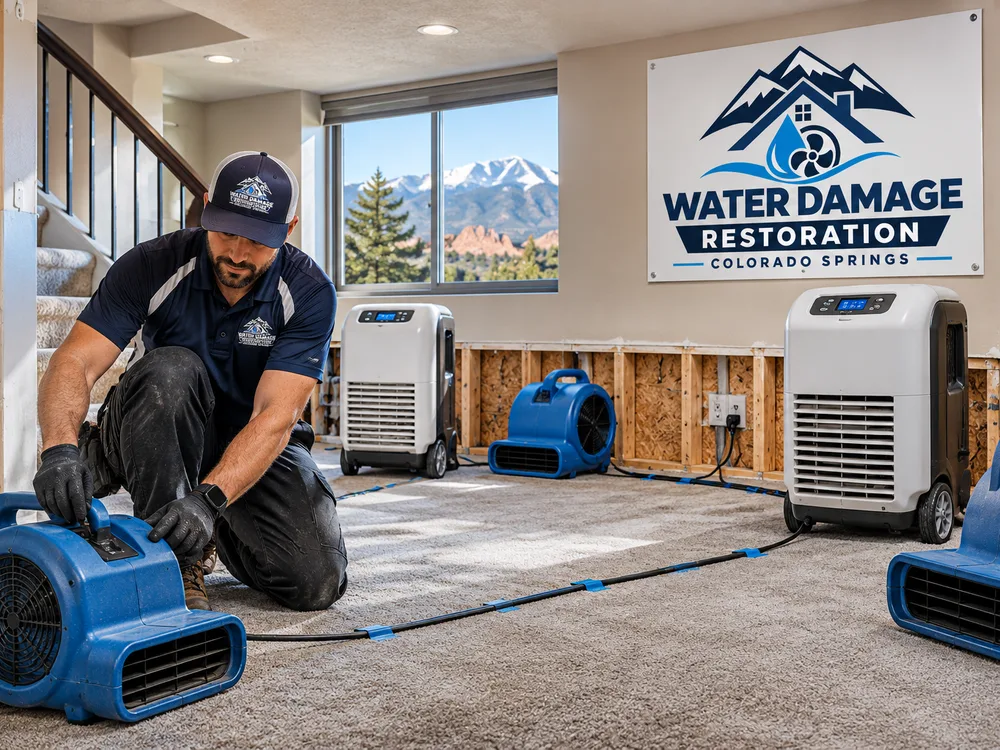
Air movers and dehumidifiers are arranged around the affected materials. Contractors track moisture in framing, drywall, subflooring, and other assemblies instead of judging dryness by touch.
Wet carpet pad, insulation, drywall, trim, or damaged flooring may be removed when drying in place is unsuitable. Selective removal can also expose trapped moisture for treatment.
Affected surfaces may require cleaning, antimicrobial treatment, or odor-control work based on the water category and the materials involved. The contractor should explain each proposed treatment.
After drying, the contractor can identify damaged finishes and assemblies that need repair or replacement. Ask whether drying and reconstruction are included in one scope or handled separately.
Step 1 of 5
Call the number provided and enter your ZIP code. You are connected directly with a local contractor who serves that area.
Step 2 of 5
Tell the contractor what areas are affected, whether water is still entering, how deep it appears, and whether electricity, sewage, or structural movement may be involved. The contractor determines what information is needed before access.
Step 3 of 5
A proper inspection looks for the source, visible water boundaries, hidden migration, contamination, affected materials, electrical concerns, and safe equipment placement.
Step 4 of 5
The contractor explains the extraction, removal, cleaning, drying, and monitoring work being proposed. You receive the quote from the contractor and decide whether to proceed.
Step 5 of 5
Equipment may remain while moisture readings are taken at intervals. Drying is complete when the contractor's measurements support removing equipment, not simply when exposed surfaces feel dry.
Standing water keeps spreading into porous materials and concealed spaces. One call connects you with a local contractor who handles deep-water extraction and structural drying in the Colorado Springs area.
People, pets, and electrical hazards come before water removal. Do not enter water near energized outlets, appliances, service equipment, or submerged cords. If sewage, chemical contamination, a sagging ceiling, or structural movement is present, keep away from the affected area and tell the contractor directly.
The decision depends on contamination, material type, saturation, physical damage, and whether moisture can be reached and measured. Solid wood framing may often be dried, while saturated carpet pad, insulation, composite materials, or contaminated porous finishes may require removal. The contractor should identify the affected materials and explain the reason for each removal recommendation.
Visible water removal does not confirm that the structure is dry. Water can remain beneath flooring, behind baseboards, inside insulated walls, and in subfloor layers. Contractors compare readings in affected materials with appropriate reference areas and use those measurements to guide equipment placement and drying decisions.
Removal is not automatic. Clean-water incidents discovered before widespread deterioration may allow some assemblies to be dried in place, provided airflow and dehumidification can reach the wet materials. Contamination, delamination, swelling, trapped insulation, or loss of structural integrity can make removal necessary.
Ask how the contractor classified the water source, which rooms and assemblies tested wet, what will be extracted or removed, how drying will be monitored, and what conditions mark completion. Also ask whether contents moving, cleaning, debris disposal, and reconstruction are included in the proposed scope.
Weather and building configuration affect equipment choices and drying progress. A flooded basement or lower level may hold moisture in concrete, wall plates, insulation, and finished floor systems, while cool outdoor conditions can limit the usefulness of open-air ventilation. The contractor should base the plan on indoor temperature, humidity, material readings, and the path the water traveled.
Photographs, moisture maps, equipment records, and written descriptions can document the affected area and the work performed. Ask the contractor what documentation will be provided, especially if you plan to discuss the loss with a property insurer. Coverage decisions come from the insurer, not the restoration contractor.
Call and get connected with a local contractor who handles standing-water extraction, moisture removal, and structural drying. You talk with the contractor directly, review the proposed work, and decide what happens next.